

Section 740: What we know about DC police federal takeover

Trump declares DC Police under "direct federal control"
During a press conference addressing crime in Washington, D.C., President Donald Trump invoked Section 740 of the District of Columbia Home Rule Act and placed DC Police under "direct federal control."
WASHINGTON - President Donald Trump announced he was taking "historic action to rescue our nation's capital" by officially invoking Section 740 of the District of Columbia Home Rule Act, declaring a public safety emergency and deploying the National Guard to the District.
What is Section 740?
What we know:
Section 740 of the District of Columbia Home Rule Act allows for the placement of the Metropolitan Police Department under direct federal control during "special conditions of an emergency nature."
It also allows the president to deploy federal law enforcement agencies, including the National Guard.
Trump signs executive order
What they're saying:
"This is Liberation Day in D.C. and we’re going to take our capital back," Trump said during Monday's press conference. "We're taking it back under authority as the US, invoking section 740 of D.C. Home Rule Act, placing D.C. Metro police undre direct federal control."
Prior to the announcement, Trump signed an executive order to declare a crime emergency in the District of Columbia.
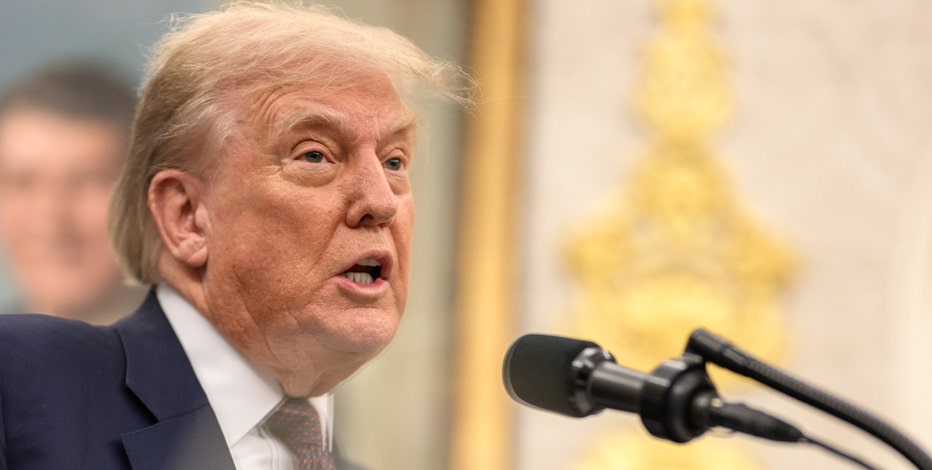
Trump places DC police under federal control and deploys National Guard
President Donald Trump announced Monday that he is placing the D.C. police department under federal control and is deploying the National Guard in an effort to boost public safety in the nation’s capital.
The order states that the president has determined special conditions to use the Metropolitan Police Department for federal use, including maintaining law and order, protecting Federal buildings, national monuments, and other Federal property, and ensuring conditions necessary for the orderly functioning of the Federal Government.
"Effective immediately, the Mayor of the District of Columbia (Mayor) shall provide the services of the Metropolitan Police force for Federal purposes for the maximum period permitted under section 740 of the Home Rule Act."
How long can Section 740 last?
By the numbers:
The federal takeover of the Metropolitan Police Department can only last up to 48 hours without notice to "the Chairmen and ranking minority members of the Committees on the District of Columbia of the Senate and the House of Representatives," according to Section 740.
White House officials say the president signed the required notification letters, which means the emergency could last up to 30 days, or until Congress passes a resolution to stop, whichever happens first, "unless the Senate and the House of Representatives enact into law a joint resolution authorizing such an extension."
The Source: Information from this article was sourced from Section 740 and an executive order signed by President Donald Trump.